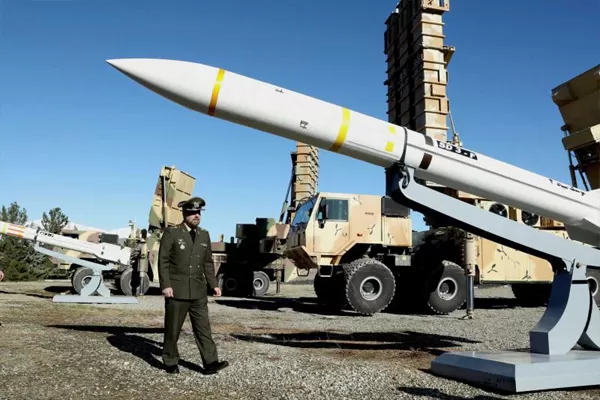
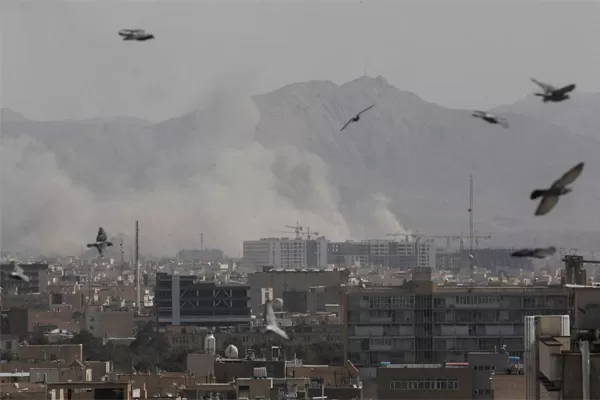
Middle East countries often do not openly support Iran during war because most of them see Iran as a regional rival, not a trusted ally. Many Arab governments fear that backing Iran would bring the conflict into their own countries, damage trade, and threaten oil facilities, ports, airports, and shipping routes. Recent reporting shows Gulf states have instead pushed for de-escalation and tried to avoid being dragged into the conflict, even while suffering spillover attacks themselves.
A big reason is long-standing political and strategic mistrust. Iran has been accused for years of building influence through allied armed groups and proxy networks in places like Yemen, Lebanon, Iraq, and Syria. That history has made many Middle Eastern governments suspicious of Iran’s intentions and unwilling to line up behind it in a war. Carnegie’s analysis notes that Saudi-Iran hostility has long been tied to proxy conflicts across the region.
Another reason is self-protection. Countries like the UAE and Qatar have publicly called for diplomacy, while also strengthening defense ties and protecting their own infrastructure rather than siding with Iran. Reuters reports that Gulf states have faced missile and drone threats, attacks on energy facilities, and pressure on civilian infrastructure, so their priority is survival and stability, not joining Iran’s side.
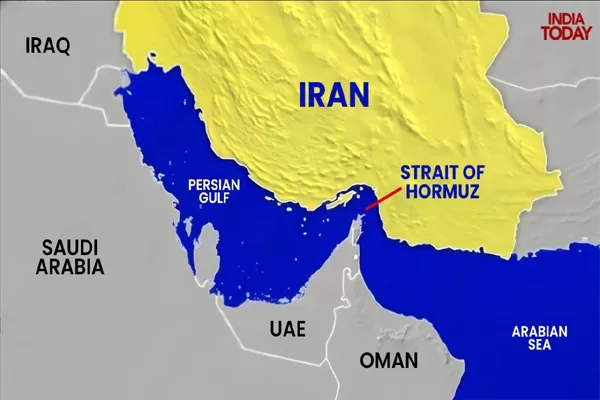
There is also an economic reason. A war involving Iran can disrupt the Strait of Hormuz, raise oil prices, shake investor confidence, and hurt imports, exports, tourism, aviation, and energy markets across the Middle East. Countries like Egypt and the Gulf monarchies have strong reasons to avoid any alignment that worsens regional instability.
So the simple answer is: Middle Eastern states do not strongly support Iran in war because they fear Iran’s regional ambitions, distrust its proxy strategy, and want to avoid economic and military damage on their own soil.